The Future AV Ai Car
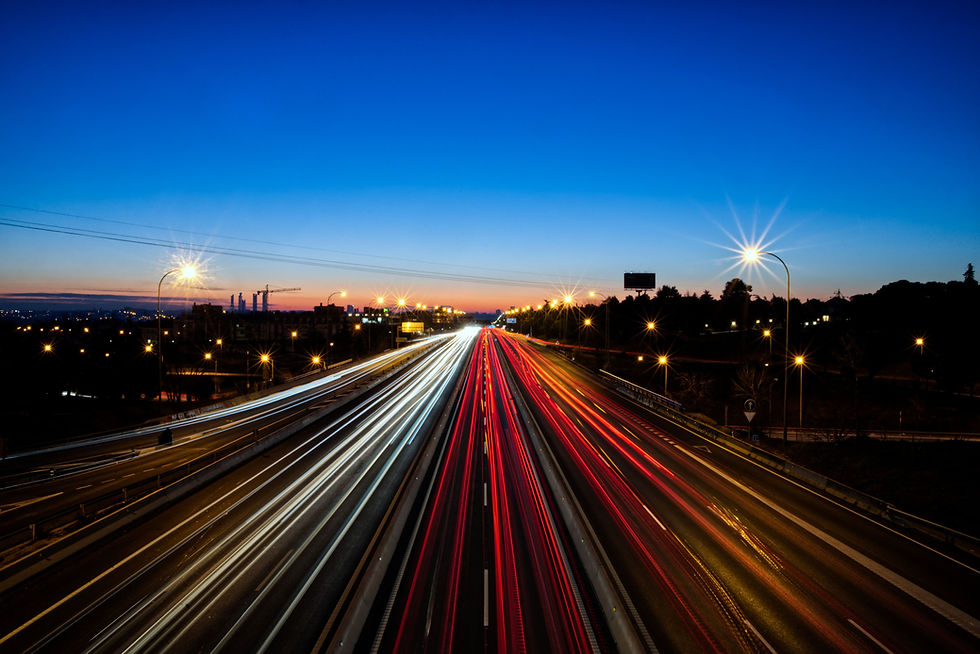
Car companies have already developed cars that are completely self driving however are not yet road safe. The Society of Automobile Engineers (SAE) has developed a metric to classify the different degree of autonomous vehicle across 6 levels from Level 0 to Level 5. Level 0 (No Automation), Level 1 (Driver Assistance), Level 2 (Partial Automation), Level 3 (Conditional Automation), Level 4 (High Automation), Level 5 (Full Automation. Level 0 to Level 2 ranges from cars that need to be 100% human operated to cars that assist steering and speed (requiring two hands on steering wheel). Level 3 to Level 5 ranges from high level automated driving (still requiring alert driver with two hands on steering wheel) to fully automated self driving cars. The cars that offer automation at Level 2 either higher are equipped with Ai systems called Advanced driver-assistance systems (ADAS). Advanced driver-assistance systems help drivers to drive their cars with the ADAS compartmentalised into the different defined areas of driving. For example, Lane Keeping Assistance (LKA), Lane Departure Warning (LDW) Automatic Emergency Braking (AEB), Forward Collision Warning (FCW). The Ai machine learning models that combine together to make these automated driving systems possible include Convolutional Neural Networks (CNNs) for perception, Recurrent Neural Networks (RNNs) for prediction and reasoning, and Vision Language Action (VLAs) for decision making.
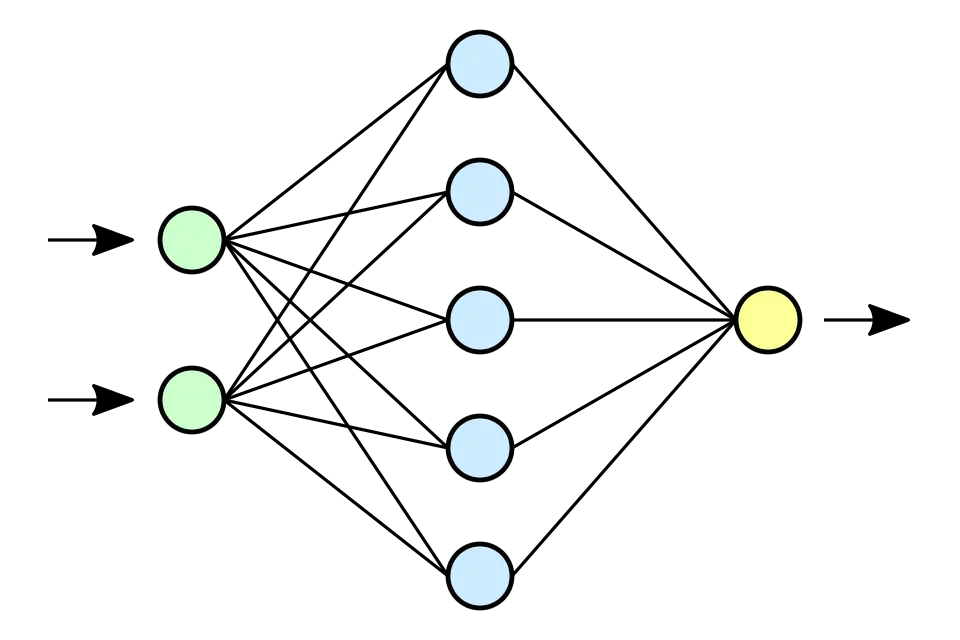
Image above: Neural Network
Convolutional Neural Networks (CNNS) break images down into pixels with the images processed from greyscale images either colour images. The image pixels are organised into matrixes of 255 numbers where numbers are attributed to each pixel. Greyscale images are processed in the CNN with one layer of a 255 number pixel matrix. In greyscale images processing the numbers 0 – 255 correspond to different degrees of light intensity for example 0 represents pure black while 255 represents pure white. Colour images are processed in the CNN with a red layer, green layer, blue layer each with their own 255 number pixel matrix. In colour images processing the numbers 0 - 255 correspond to the gradient from colour absence to the strongest shade of that colour where 0 = absence of colour to where 255 = the strongest shade of red either the strongest shade of green either the strongest shade of blue. With CNNs being trained with millions of images to get them to recognise precise real world objects that have roughly corresponding precise matrix number combinations at CNN processing matrices, CNNs can identify without supervision what objects are contained within images.
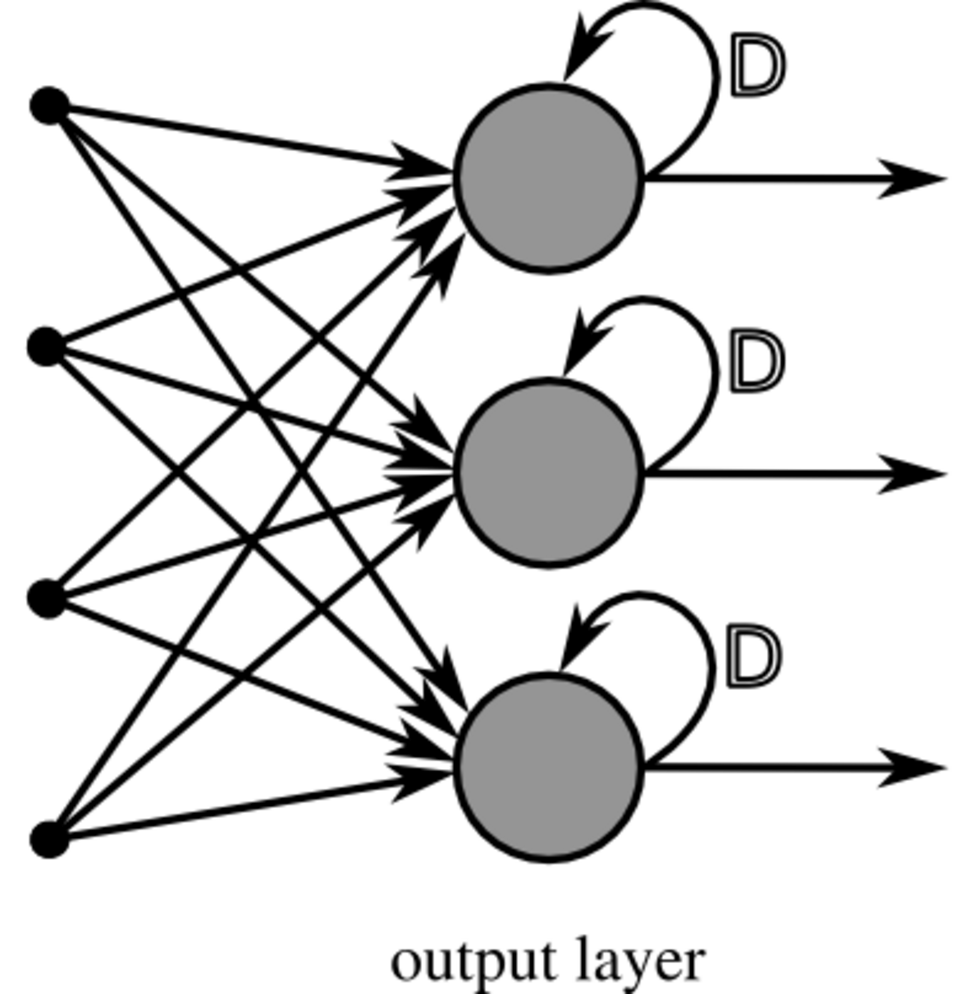
Image above: Recurrent Neural Network Backpropagation
Recurrent Neural Networks (RNNs) are neural networks that can process data inputs with memory generated from previous data inputs with this all allowing RNNs to process sequential time series data or data that requires temporal insight to process. Different to other neural networks that exist as feed forward neural networks, RNNs have a loopback feature called Backpropagation Through Time (BTT). Backpropagation Through Time is where neural networks, with backward motion, feed data inputs the RNN has already processed to the next data inputs being processed to create a greater comprehension of the new data inputs with context from the backpropagated processed data inputs that have been fed back into the neural network as memory. For example, if the RNN is utilised to process automated car perception from the cars camera and CNN system (with a flow of continuous sequential data from the CNN system), the RNN can predict the trajectory of cars or pedestrians that are near the ADAS systems car.
Vision Language Action (VLAs) neural networks utilise vision encoders, actions encoders and large language models (LLMs) to operate as the command centre of ADAS systems. VLAs are responsible for translating the visual output from CNNs and the predictive output from RNNs into highly informed, calculated and perceptive decisions that range from interpreting words on road signs to proactively averting accidents. For example, a VLA might calculate that if a small object falls off a goods truck that small object might be followed by more small objects that will cause an accident therefore the VLA outputs a decision to exercise caution that gets communicated to the automated cars electronic control units that carry out automated breaking.
The cars that are legally available to consumers to buy for their road transport vehicle that offer the most automation or self driving are level 3 cars. There does exist an American taxi company called Waymo that operates level 5 fully automated driverless taxis across major city metropolitan areas. Car companies that sell popular level 2 supervised automated cars are Tesla, General Motors and Ford while the car companies that sell the most utilised popular level 3 automated commercial cars are Mercedes Benz, Honda and BMW. With this time 2026 this car market niche exists with challenges to car companies who have to assume legal responsibility for what happens during the time the level 3 ADAS systems are engaged by the driver.